
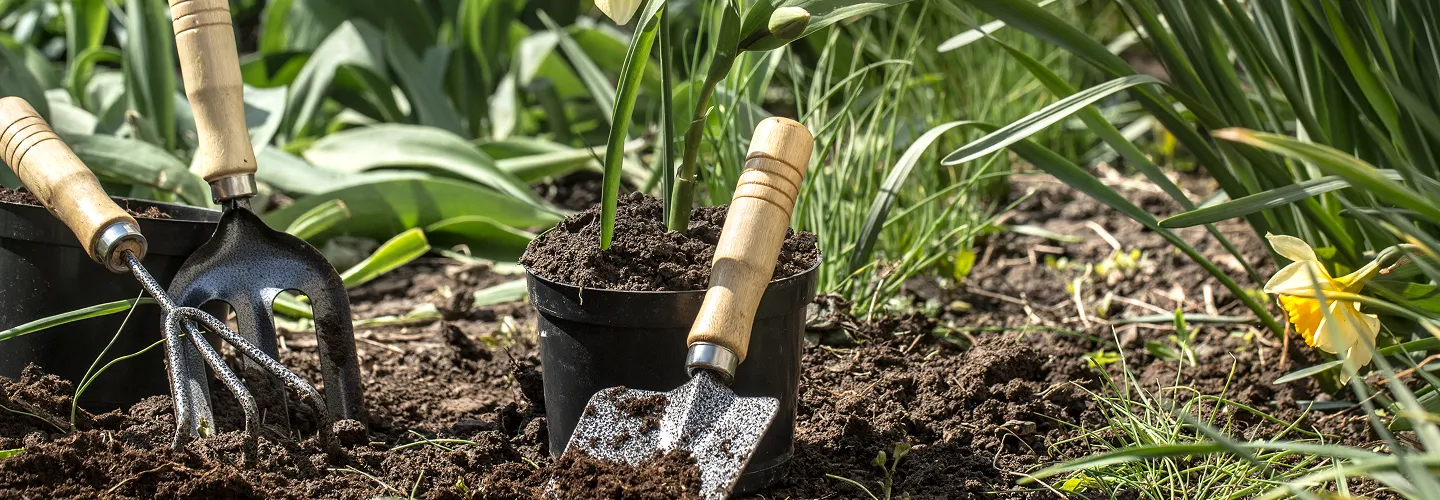
Conyers Green Waste Disposal Services
Choose our Green Waste Disposal for reliable, environmentally responsible service that keeps your property clean while supporting a healthier planet.
Get a Free QuoteOur Conyers Landscaping & Yard Care Services
When to Schedule Green Waste Disposal in Conyers, Georgia – Seasonal Guide
In Conyers, Georgia, the best times to schedule green waste disposal are closely tied to our region’s unique climate and landscape. With warm, humid summers and mild winters, most homeowners in neighborhoods like Honey Creek and Olde Town Conyers find that late winter through early spring is ideal for clearing away fallen branches, leaves, and other yard debris. This timing helps prepare your property for new growth before the last frost date, which typically falls in late March. Additionally, scheduling disposal after major summer storms or during the fall leaf drop ensures your yard remains tidy and safe.
Local environmental factors such as the clay-heavy soils in the East Irwin Bridge Road area, the dense shade from mature oaks in the Deer Run neighborhood, and periodic drought risks all play a role in determining the optimal disposal schedule. It’s also important to consider municipal guidelines and seasonal collection windows, which you can find on the official city website. By aligning your green waste disposal with these local patterns, you’ll keep your landscape healthy and compliant with city regulations.
Local Factors to Consider for Green Waste Disposal in Conyers
- Tree density and types (e.g., oaks, pines, and maples common in Parker Road corridor)
- Soil composition and drainage, especially in areas with heavy clay
- Seasonal precipitation and risk of summer storms
- Frost dates and timing of new growth
- Municipal restrictions and scheduled pickup dates
- Terrain and accessibility for disposal vehicles
- Shade coverage affecting debris accumulation
Benefits of Green Waste Disposal in Conyers

Eco-Friendly Landscaping Solutions
Efficient Yard Waste Removal
Promotes Healthy Plant Growth
Reduces Landfill Waste
Improves Curb Appeal
Supports Local Sustainability
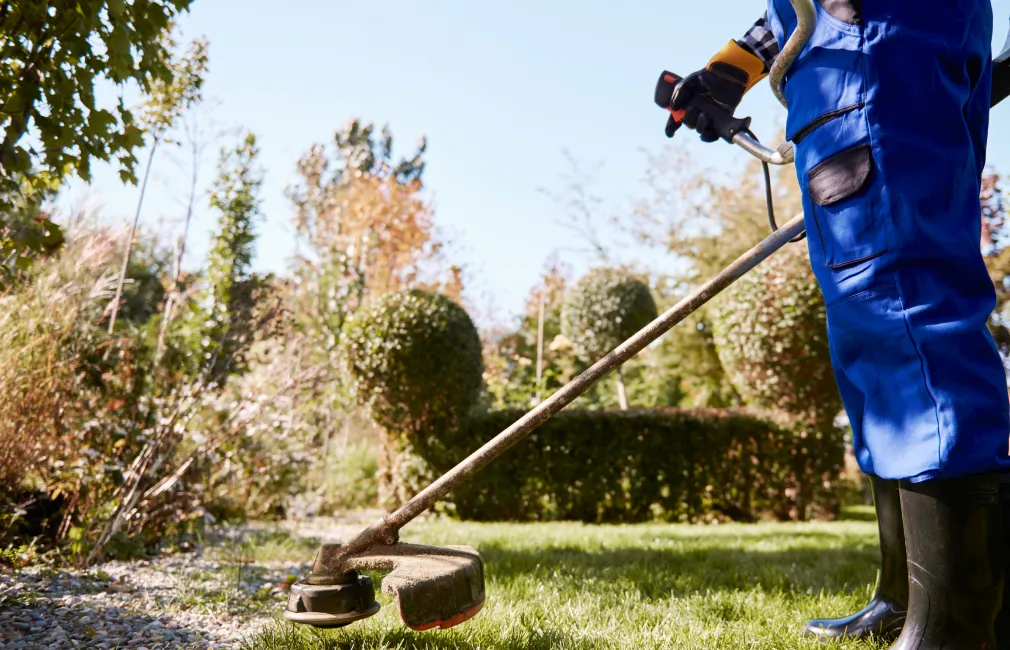
Conyers Green Waste Disposal Types

Grass Clippings Removal
-
Tree Branch Disposal
-
Leaf Collection Services
-
Shrub and Hedge Trimming Waste
-
Garden Debris Pickup
-
Mulch and Wood Chip Recycling
-
Stump and Root Disposal
Our Green Waste Disposal Process
Collection of Green Waste
Sorting and Separation
Transport to Disposal Facility
Eco-Friendly Processing
Why Choose Conyers Landscape Services
-
Conyers Homeowners Trust Us
-
Expert Lawn Maintenance
-
Reliable Scheduling
-
Competitive Pricing
-
Professional Team
-
Satisfaction Guarantee
-
Personalized Service
Navigating Conyers’s Green Waste Collection and Disposal Procedures
Green waste disposal in Conyers is managed through municipal curbside collection and designated drop-off protocols. Residents must place yard debris—such as leaves, grass clippings, and small branches—at the curb in biodegradable bags or bundled according to city guidelines. Collection typically occurs weekly, but schedules may vary by neighborhood and season. Bundles should not exceed 4 feet in length or 50 pounds in weight, and loose piles are not accepted. Prohibited materials include construction debris, soil, and large stumps. For larger volumes or storm debris, residents may need to coordinate special pickups or utilize city-approved disposal sites. Compliance with these procedures helps maintain public health, prevents storm drain blockages, and supports efficient municipal operations. For the most current collection schedules and bundling requirements, consult the city’s official resources.
Conyers Public Works & Transportation
1174 Scott Street SE, Conyers, GA 30012
Phone: (770) 785-6690
Official Website: Conyers Public Works & Transportation
Soil and Drainage Considerations for Green Waste in Conyers’s Piedmont Red Clay
Conyers is situated within Georgia’s Piedmont region, characterized by red clay soils such as the Cecil and Pacolet series. These soils are moderately to poorly drained and prone to compaction, which can impede water infiltration and increase runoff risk. When disposing of green waste, it is essential to avoid placing debris in ditches, near storm drains, or on slopes, as this can exacerbate erosion and contribute to sedimentation in local waterways. Residents should:
- Keep green waste off paved surfaces and out of drainage channels
- Use composting or mulching to improve soil structure and reduce landfill volume
- Avoid overloading curbside piles, which can impede water flow during rain events Understanding local soil behavior helps prevent environmental impacts and supports compliance with city and state water quality standards. For detailed soil maps and recommendations, refer to the USDA Web Soil Survey and UGA Cooperative Extension.
Environmental Compliance: Protecting Conyers Streams and Stormwater Systems
Proper green waste disposal is critical for protecting Conyers’s streams, ponds, and stormwater infrastructure. Yard debris left in the right-of-way or near storm drains can wash into the city’s drainage system, leading to blockages, localized flooding, and nutrient pollution in local waterways such as Big Haynes Creek and Milstead Lake. The city enforces ordinances prohibiting dumping of yard waste in public rights-of-way, ditches, or water bodies. Residents and property managers should:
- Maintain a minimum 10-foot buffer from storm drains and open channels when placing debris for collection
- Remove any material that enters ditches or inlets promptly
- Report illegal dumping to city authorities These practices align with Georgia EPD watershed protection goals and the Clean Water Act. For questions about stormwater compliance or to report violations, contact:
Conyers Stormwater Services
1174 Scott Street SE, Conyers, GA 30012
Phone: (770) 785-6690
Official Website: Conyers Stormwater Services
Seasonal Timing and Best Practices for Green Waste Management in Conyers
The optimal timing for green waste disposal in Conyers aligns with the city’s growing season and leaf drop patterns. The USDA Hardiness Zone for Conyers is 8a, supporting a long growing season with peak yard waste generation in spring (March–May) and fall (October–December). To ensure efficient collection and minimize environmental impact:
- Schedule major yard cleanups after peak leaf fall or pruning periods
- Avoid placing green waste out during heavy rain forecasts to prevent wash-off
- Use mulching mowers or compost bins to reduce curbside volume
- Bundle branches and bag leaves according to city guidelines Following these seasonal best practices helps maintain neighborhood appearance and supports municipal collection efficiency. For additional guidance on composting and seasonal yard care, consult UGA Cooperative Extension and the National Weather Service for local weather updates.
What Neighborhoods Do We Serve Throughout Conyers, GA?
- Olde Town Conyers: Historic district with mature tree canopy and narrow streets, requiring careful bundling and placement of green waste to avoid traffic and drainage issues.
- Irwin Bridge Estates: Larger lots with wooded edges and proximity to creeks, where debris management must account for runoff and buffer zones.
- Fieldstone: Newer subdivision with compacted fill soils and HOA-maintained frontages, emphasizing compliance with bundling and appearance standards.
- Bridle Ridge Walk: Gently sloped lots and moderate tree cover, where seasonal leaf and branch accumulation is common and timely disposal is essential.
- Hi Roc Shores: Lakeside community with sensitive shoreline areas, requiring strict adherence to city ordinances to protect water quality.
- Honey Creek: Established neighborhood with mature landscaping and stormwater ditches, where improper disposal can quickly lead to blockages and localized flooding.
- Milstead: Mixed-use area near industrial corridors and the Yellow River, where access and environmental sensitivity require extra attention to disposal practices.