
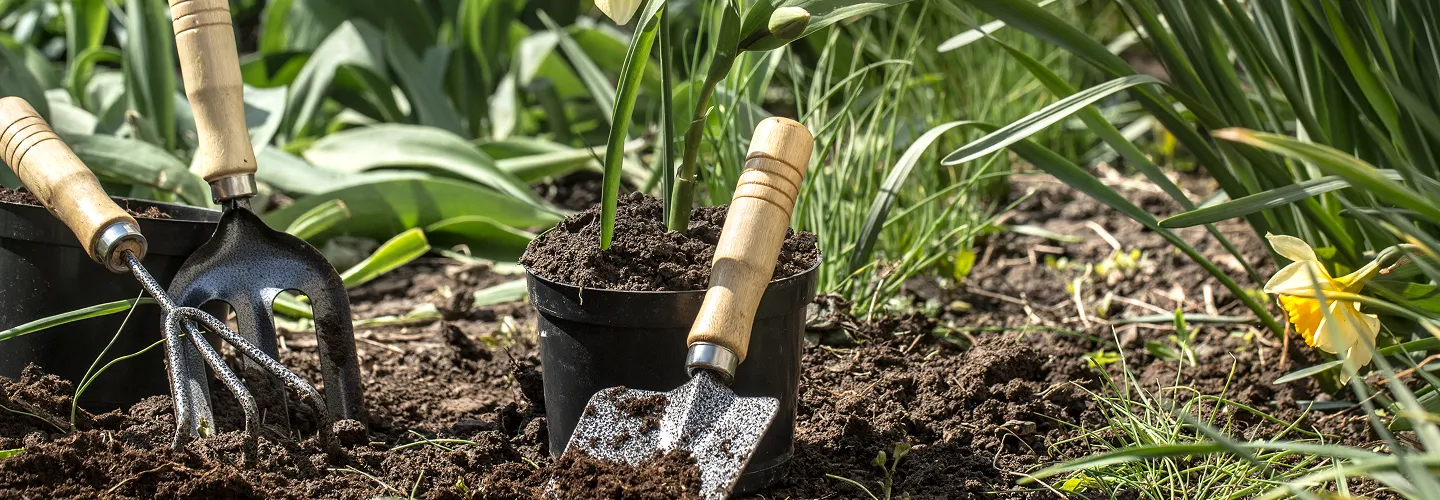
Conyers Plant Removal Services
Choose our plant removal experts for safe, thorough, and eco-friendly solutions that restore your landscape’s beauty and health—no mess, no stress.
Get a Free QuoteOur Conyers Landscaping & Yard Care Services
When to Schedule Plant Removal in Conyers, Georgia – Seasonal Guide
In Conyers, Georgia, timing your plant removal is crucial for both the health of your landscape and the efficiency of the process. The best periods for plant removal typically fall between late winter and early spring, just before new growth begins. This window allows for easier root extraction and minimizes disruption to surrounding vegetation. Conyers’s climate, characterized by humid summers and mild winters, means that soil conditions can vary significantly throughout the year. For example, neighborhoods near Olde Town Conyers or along the South River may experience heavier clay soils, which are easier to work with when slightly moist but not saturated.
Local environmental factors such as the last frost date—usually in early April—should be considered to avoid damaging desirable plants. Drought risk during late summer can also impact removal efforts, as dry soil can make root systems more stubborn. Areas with dense shade, like those near Pine Log Park, may require different timing due to slower soil drying. For more information on local climate and environmental guidelines, consult the Sudbury town resources.
Local Factors to Consider for Plant Removal in Conyers
- Tree and shrub density in your yard
- Terrain slope and accessibility
- Average precipitation and recent rainfall
- Proximity to municipal restrictions or protected areas
- Soil type (clay, loam, or sandy)
- Shade coverage from mature trees
- Neighborhood-specific guidelines or HOA rules
Benefits of Plant Removal in Conyers
Improved Landscape Health
Enhanced Curb Appeal
Prevention of Pest Infestations
Increased Usable Space
Reduced Maintenance Costs
Professional and Efficient Service
Conyers Plant Removal Types

Tree Removal
-
Shrub Removal
-
Stump Grinding
-
Invasive Species Removal
-
Root System Extraction
-
Hedge Clearing
-
Overgrown Vegetation Removal
Our Plant Removal Process
Site Evaluation
Preparation and Safety Measures
Plant Extraction
Debris Removal
Site Restoration
Why Choose Conyers Landscape Services

-
Conyers Homeowners Trust Us
-
Expert Lawn Maintenance
-
Reliable Scheduling
-
Competitive Pricing
-
Professional Team
-
Satisfaction Guarantee
-
Personalized Service
Conyers Tree Ordinance Compliance and Plant Removal Review
Plant removal in Conyers is governed in part by the city's Tree Ordinance, which establishes standards for tree protection, removal thresholds, and landscaping requirements tied to development activity. Property owners undertaking significant plant removal—particularly involving trees of regulated caliper size—should confirm whether their project triggers a review through Conyers Planning & Inspection Services before work begins. Key considerations under the ordinance include:
- Removal of specimen or heritage trees may require prior approval
- Replacement planting obligations may apply depending on project scope
- Removal associated with grading, construction, or land disturbance may require coordination with the Planning Commission
Residents should verify current thresholds and permit requirements directly with the Planning & Inspection Services office, as requirements may vary by zoning district and lot classification.
Conyers Planning & Inspection Services
1184 Scott Street, Conyers, GA 30012
Phone: (770) 483-4747
Official Website: Conyers Planning & Inspection Services
Invasive and Nuisance Vegetation Removal in Conyers's Piedmont Landscape
Conyers sits within Georgia's Piedmont region in Rockdale County, where the warm, humid climate and red clay-based soils create favorable conditions for aggressive invasive plant species. Common invasive plants documented in this region include kudzu (Pueraria montana), Chinese privet (Ligustrum sinense), English ivy (Hedera helix), and Japanese honeysuckle (Lonicera japonica). UGA Cooperative Extension and the UGA Extension Invasive Species program provide identification guides and removal protocols specific to Georgia's Piedmont zone. Effective removal strategies in Conyers's clay-dominant soils—classified primarily as Cecil and Appling series by the USDA Web Soil Survey—typically require:
- Manual extraction during late winter or early spring before seed set
- Root system disruption to prevent resprouting in compacted clay
- Follow-up monitoring through at least two growing seasons
- Disposal away from drainage corridors to prevent reestablishment
Conyers falls within USDA Hardiness Zone 7b, supporting year-round invasive pressure that demands consistent management.
Protecting Yellow River and Local Drainage Corridors During Plant Removal
The Yellow River and its associated tributaries flow through and near Conyers, creating ecologically sensitive drainage corridors that require careful management during plant removal operations. Removing vegetation near stream banks, detention ponds, or drainage swales can destabilize soil and increase erosion and sediment runoff into local waterways. Conyers Stormwater Services administers the city's stormwater management program, which includes erosion control and water quality protection standards consistent with the Clean Water Act and EPA NPDES Program requirements. Property owners should:
- Avoid removing ground cover or root systems within 25–50 feet of stream banks without erosion controls in place
- Install silt fencing or erosion barriers before clearing begins on sloped lots
- Confirm buffer requirements with Conyers Stormwater Services prior to removal near drainage features
Conyers Stormwater Services
1184 Scott Street, Conyers, GA 30012
Phone: (770) 483-4747
Official Website: Conyers Stormwater Services
Seasonal Timing for Plant Removal in Conyers's Warm-Season Climate
Timing plant removal appropriately in Conyers reduces regrowth pressure, minimizes soil disturbance during high-rainfall periods, and supports successful replanting. The city's Zone 7b climate produces warm, humid summers with average high temperatures exceeding 90°F from June through August, and a frost window generally between late November and early March. Guidance from UGA Cooperative Extension recommends the following seasonal approach for Piedmont Georgia:
- Late winter (February–March): Optimal for woody shrub and invasive vine removal before spring growth flush; root systems are dormant and easier to extract
- Early fall (September–October): Suitable for herbaceous plant removal and bed clearing before cool-season establishment
- Avoid late spring through midsummer: High humidity and active growth accelerate resprouting and increase soil erosion risk on exposed clay
- Post-storm periods: Coordinate debris and downed plant removal with Conyers Public Works & Transportation for right-of-way material
The National Weather Service Peachtree City forecast office provides local precipitation and temperature data relevant to scheduling removal work.
Code Enforcement Standards for Overgrowth and Vegetation Removal in Conyers
Conyers Code Enforcement investigates property violations related to overgrown vegetation, nuisance plant growth, and unmaintained lots throughout the city. Property owners are responsible for maintaining vegetation on their parcels in compliance with municipal codes, which typically address:
- Grass and weed height thresholds that trigger violation notices (commonly 12 inches or greater in Georgia municipalities—verify current Conyers standard with Code Enforcement)
- Overgrowth encroaching on sidewalks, rights-of-way, or adjacent properties
- Accumulation of plant debris that creates fire hazard or pest harborage conditions
- Frontage maintenance obligations for vacant and developed lots alike
Failure to address code violations within the notice period may result in the city contracting removal and billing the property owner for associated costs. Property managers overseeing multiple parcels in Conyers should establish routine plant removal schedules to remain in compliance year-round.
Conyers Code Enforcement
1184 Scott Street, Conyers, GA 30012
Phone: (770) 483-4747
Official Website: Conyers Code Enforcement
What Neighborhoods Do We Serve Throughout Conyers, GA?
Plant removal needs vary considerably across Conyers's neighborhoods based on lot age, soil conditions, tree canopy density, and proximity to drainage features.
- Historic Downtown Conyers: Older lots with established tree canopy and mature ornamental plantings; removal work near structures requires careful access planning and compliance with the city's Tree Ordinance.
- Flat Shoals Road Corridor: Mixed residential and commercial development with variable drainage patterns; lots near low-lying areas may have invasive vine pressure along fence lines and wooded edges.
- Honey Creek Estates: Established subdivision with mature landscaping and wooded rear lots; English ivy and privet encroachment from wooded buffers is a recurring removal challenge.
- Olde Town Conyers: Compact lots with aging ornamental plantings; removal of overgrown shrubs and volunteer trees near foundations and sidewalks is common.
- Rockdale County Transition Areas (City Fringe): Larger parcels with significant invasive species pressure, including kudzu and privet along fence rows and drainage ditches; removal often requires multi-season follow-up.
- Salem Road Subdivisions: Newer residential development on fill soils with compacted clay subgrade; root extraction after plant removal may require mechanical assistance due to soil density.