
Conyers Hedging Services
Choose our professional hedging services for expertly shaped, healthy, and vibrant hedges that enhance your property's curb appeal, provide privacy, and require minimal maintenance year-round.
Get a Free QuoteOur Conyers Landscaping & Yard Care Services
When to Schedule Hedging in Conyers, Georgia – Seasonal Guide
In Conyers, Georgia, the best times to schedule hedging are typically late winter through early spring and again in late summer. This timing aligns with the region’s mild winters and hot, humid summers, allowing plants to recover quickly and thrive. Neighborhoods near Olde Town Conyers and the Rockdale River Trail often experience microclimates influenced by shade coverage and proximity to water, which can affect the ideal hedging schedule.
Local environmental factors such as the last frost date—usually in early March—should be considered to avoid damaging new growth. The area’s clay-heavy soils retain moisture but can become compacted, impacting root health. Additionally, periods of drought risk in late summer and high humidity in July and August can influence how and when hedging should be performed. For more information on local climate and municipal guidelines, consult the official city resources.
Local Factors to Consider for Hedging in Conyers
- Tree density and shade coverage in neighborhoods like Honey Creek and Irwin Bridge
- Terrain variations, especially in areas near Big Haynes Creek Nature Center
- Seasonal precipitation patterns and risk of summer drought
- Soil type, particularly clay content and drainage
- Municipal restrictions or guidelines on landscaping and green waste disposal
Benefits of Hedging in Conyers
Enhanced Curb Appeal
Increased Property Value
Improved Privacy
Natural Noise Reduction
Low Maintenance Solutions
Expert Local Knowledge
Conyers Hedging Types

Boxwood Hedges
-
Privet Hedges
-
Holly Hedges
-
Yew Hedges
-
Arborvitae Hedges
-
Laurel Hedges
-
Photinia Hedges
Our Hedging Process
Consultation and Planning
Site Preparation
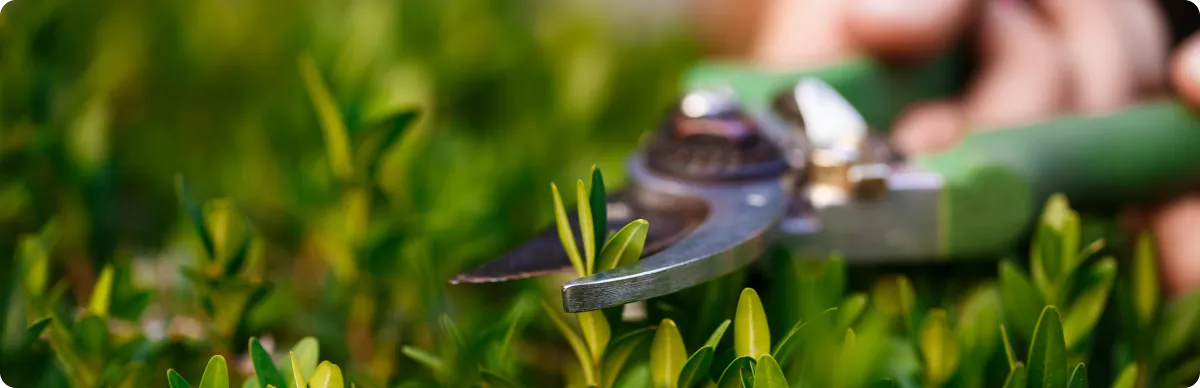
Precision Trimming
Cleanup and Inspection
Why Choose Conyers Landscape Services

-
Conyers Homeowners Trust Us
-
Expert Lawn Maintenance
-
Reliable Scheduling
-
Competitive Pricing
-
Professional Team
-
Satisfaction Guarantee
-
Personalized Service
Hedge Trimming Timing and Conyers's Piedmont Clay Soil Conditions
Conyers, Georgia, falls within USDA Hardiness Zone 7b–8a, situated in the Piedmont region where Cecil and Appling soil series dominate — dense red clay loams with limited drainage capacity and moderate to high compaction potential. These soil conditions directly affect hedge root systems and growth rates. Shrubs planted in compacted clay tend to push lateral growth more aggressively, requiring more frequent shaping during the active growing season. According to UGA Cooperative Extension, the optimal window for major hedge trimming in the Piedmont is late spring through early summer (May–June), after new growth has hardened off, and again in late summer (August) before fall dormancy. Avoid heavy cuts after mid-September, as new growth stimulated by late pruning may not harden before the first frost, which in Conyers typically arrives between mid-November and early December. Soil moisture levels in clay-heavy lots should be monitored before trimming, as drought stress weakens regrowth capacity.
Conyers Code Enforcement Standards for Hedge Height and Frontage Maintenance
Property owners in Conyers are subject to municipal code requirements governing vegetation maintenance along public rights-of-way and property frontages. Overgrown hedges that obstruct sightlines at intersections, encroach onto sidewalks, or impede traffic visibility may be cited under nuisance vegetation provisions enforced by Conyers Code Enforcement. Key compliance considerations include:
- Hedges must not obstruct driver sightlines within corner lot triangles
- Vegetation overhanging public sidewalks must maintain adequate clearance for pedestrian passage
- Frontage hedges that encroach into the public right-of-way may require trimming or removal
- Repeated violations may result in city-ordered abatement and associated fees
Property managers and HOA representatives should review current municipal code provisions and confirm applicable setback and height standards with the Planning & Inspection Services division. Proactive maintenance scheduling — particularly before summer growth peaks in June and July — reduces the likelihood of code-triggered notices.
Conyers Code Enforcement
1184 Scott Street, Conyers, GA 30012
Official Website: Conyers Code Enforcement
Protecting Conyers Stormwater Infrastructure During Hedge Trimming Operations
Hedge trimming generates significant volumes of clippings, woody debris, and fine organic material that, if left unmanaged near storm drains, drainage swales, or detention features, can contribute to blockages and water quality degradation. Conyers operates a dedicated stormwater management program under Conyers Stormwater Services, which maintains the city's drainage network in compliance with the Clean Water Act and EPA NPDES Program requirements. Property owners and landscape contractors should follow these practices during hedging operations:
- Collect and bag all clippings before they reach curb gutters or storm drain inlets
- Do not blow or rake debris into drainage ditches, swales, or detention pond edges
- On lots adjacent to Yellow River tributaries or local drainage corridors, maintain a minimum vegetative buffer and avoid disturbing soil near drainage channels
- Dispose of collected hedge debris through approved municipal channels or private composting
The Georgia EPD Watershed Protection Branch provides additional guidance on protecting local water quality during routine landscape maintenance activities.
Conyers Stormwater Services
1184 Scott Street, Conyers, GA 30012
Official Website: Conyers Stormwater Services
Conyers Tree Ordinance Considerations for Large Hedge and Shrub Removal
When hedging work involves the removal of mature shrubs or woody plants that have grown to tree-scale proportions — particularly species such as Leyland cypress, wax myrtle, or large hollies — property owners should review the Conyers Tree Ordinance before proceeding. The ordinance establishes tree preservation standards, protection requirements during land disturbance, and removal review processes that may apply depending on the caliper size and species of the plant material being removed. Relevant thresholds and review triggers should be confirmed with Conyers Planning & Inspection Services prior to any large-scale hedge removal project. Practical steps include:
- Measure trunk caliper at 4.5 feet above grade before removal
- Identify whether the plant is located within a protected buffer, easement, or designated tree save area
- Submit a removal inquiry to Planning & Inspection Services if caliper or location raises questions
- Retain documentation of any review correspondence for permit compliance records
Conyers Planning & Inspection Services
1184 Scott Street, Conyers, GA 30012
Official Website: Conyers Planning & Inspection Services
Selecting Hedge Species Suited to Conyers's Heat, Humidity, and Clay Soils
Hedge species selection in Conyers must account for the city's hot, humid summers, periodic drought stress, and the drainage limitations of Piedmont red clay soils. According to the USDA Web Soil Survey, Cecil clay loam — the dominant series in Rockdale County — has slow to moderate permeability, which can cause root saturation during heavy rainfall events and drought stress during dry periods. Species that perform reliably under these conditions include:
- Nellie R. Stevens Holly — heat-tolerant, clay-adaptable, dense screening habit
- Wax Myrtle (Morella cerifera) — native, drought-tolerant once established, fast-growing
- Loropetalum — performs well in acidic Piedmont soils, moderate clay tolerance
- Inkberry Holly (Ilex glabra) — native, tolerates wet clay pockets common in low-lying Conyers lots
- Viburnum odoratissimum — heat-tolerant, dense, suitable for privacy screening
Avoid species with poor clay tolerance such as boxwood in poorly drained areas. UGA Cooperative Extension publishes regionally specific plant selection guides for Georgia Piedmont landscapes.
What Neighborhoods Do We Serve Throughout Conyers, GA?
- Historic Downtown Conyers: Older residential lots with established hedge plantings, mature tree canopy, and compact frontages requiring careful trimming to maintain sightlines and code compliance along pedestrian corridors.
- Olde Town Conyers: Mixed residential and commercial properties with varied hedge ages and species; proximity to the downtown development area means frontage appearance is subject to heightened community standards.
- Flat Shoals Road Corridor: Suburban residential development with larger lot sizes, red clay drainage challenges, and hedges that frequently require seasonal shaping due to aggressive warm-season growth.
- Salem Road Area: Newer subdivisions with HOA-governed landscaping standards; hedge maintenance schedules are often tied to community appearance requirements and may involve coordination with HOA management.
- Honey Creek Estates and Adjacent Subdivisions: Lots near Honey Creek and its drainage tributaries require particular attention to debris containment during trimming to protect local stormwater infrastructure.
- Rockdale County Rural Fringe (City Limits): Larger wooded lots with naturalized hedge rows and native shrub borders; trimming work in these areas often involves managing invasive species pressure from privet and kudzu encroachment, as documented by UGA Extension - Invasive Species.