
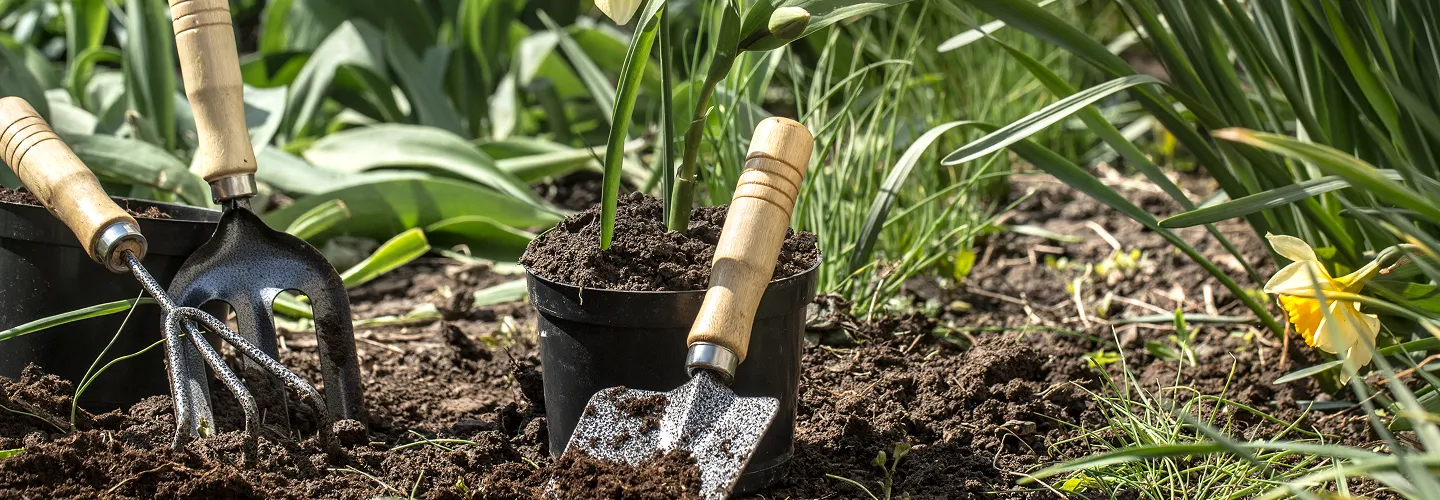
Conyers Flower Bed Maintenance Services
Choose our expert Flower Bed Maintenance for lush, healthy blooms and weed-free beds—enjoy professional care that saves you time and keeps your landscape looking its best.
Get a Free QuoteOur Conyers Landscaping & Yard Care Services
When to Schedule Flower Bed Maintenance in Conyers, Georgia – Seasonal Guide
In Conyers, Georgia, the best times for flower bed maintenance are closely tied to our region’s unique climate and landscape. Early spring, just after the last frost date, is ideal for cleaning beds, refreshing mulch, and planting annuals, as the soil begins to warm and plants emerge from dormancy. Fall is another key window, especially for dividing perennials and preparing beds for winter, since our mild autumns allow for root establishment before colder weather sets in.
Local factors such as the clay-heavy soils common in neighborhoods like Honey Creek and the shade coverage from mature oaks in Olde Town Conyers can influence when and how maintenance should be performed. Humidity levels and the risk of summer droughts also play a role, making it important to adjust schedules based on recent rainfall and extended forecasts. For more information on local environmental guidelines, visit the Sudbury municipal site.
Local Factors to Consider for Flower Bed Maintenance in Conyers
- Tree density and shade coverage (especially in areas like Irwin Bridge Road)
- Soil type and drainage, with many properties featuring dense clay
- Average precipitation and risk of summer drought
- Frost dates, typically late March to early April
- Terrain variations, from flat lawns to sloped yards
- Municipal restrictions or watering schedules
Benefits of Flower Bed Maintenance in Conyers

Enhanced Curb Appeal
Weed and Pest Control
Healthier Plants
Seasonal Color Management
Professional Expertise
Time and Effort Savings

Conyers Flower Bed Maintenance Types

Seasonal Flower Planting
-
Weed Control Services
-
Mulching and Soil Conditioning
-
Edging and Bed Redefining
-
Fertilization Programs
-
Pest and Disease Management
-
Pruning and Deadheading
Our Flower Bed Maintenance Process
Site Evaluation
Weed Removal
Soil Preparation
Plant Care
Mulching
Why Choose Conyers Landscape Services
-
Conyers Homeowners Trust Us
-
Expert Lawn Maintenance
-
Reliable Scheduling
-
Competitive Pricing
-
Professional Team
-
Satisfaction Guarantee
-
Personalized Service
Conyers Red Clay Soils and Soil Preparation for Productive Flower Beds
Conyers sits within Georgia's Piedmont region, where the predominant soil series includes Cecil and Appling soils — dense, red clay-based Ultisols with naturally low pH levels typically ranging from 5.0 to 6.0. According to the USDA Web Soil Survey, these soils exhibit poor drainage, high compaction potential, and limited organic matter content, all of which directly affect flower bed performance. Before establishing or renovating beds, property owners should:
- Conduct a soil pH test through UGA Cooperative Extension to determine lime amendment needs
- Incorporate 3–4 inches of compost to improve drainage and aeration in compacted clay
- Avoid tilling when soil is saturated, which worsens compaction and destroys soil structure
- Target a pH of 6.0–6.5 for most ornamental flowering plants common to the Piedmont region
Conyers falls within USDA Hardiness Zone 7b, supporting a long growing season with warm, humid summers and mild winters. Soil preparation completed in early spring (March) or fall (October) yields the most stable planting conditions.
Seasonal Timing for Flower Bed Maintenance in Conyers's Piedmont Climate
Conyers's climate, monitored by the National Weather Service Atlanta/Peachtree City forecast office, features average summer highs exceeding 90°F, high relative humidity from June through September, and average annual rainfall near 50 inches. These conditions create specific timing requirements for flower bed maintenance:
- Spring planting window: Mid-March through April, after last average frost date of approximately March 15–20 for Zone 7b
- Summer maintenance: Deadheading, mulch replenishment, and irrigation monitoring every 7–10 days during drought periods; avoid fertilizer applications during heat stress above 90°F
- Fall bed preparation: September through October is optimal for dividing perennials, amending soil, and planting cool-season annuals such as pansies and snapdragons
- Winter dormancy tasks: December through February is appropriate for bed edging, hardscape repair, and pre-emergent weed barrier installation
High summer humidity in Conyers increases fungal pressure on ornamental plants. Spacing plants to allow airflow and avoiding overhead irrigation reduces disease incidence in established beds.
Protecting Conyers Stormwater Infrastructure During Bed Maintenance Activities
Flower bed maintenance activities — including fertilizer application, pesticide use, mulch placement, and soil disturbance — carry direct implications for Conyers's stormwater drainage network. The city's Conyers Stormwater Services department manages drainage system maintenance, erosion control, and water quality protection throughout the municipal area. Residents and property managers should observe the following practices to remain in compliance with local stormwater standards and the federal Clean Water Act:
- Keep fertilizer granules off paved surfaces and out of storm drains; sweep any overspray immediately
- Apply pre-emergent herbicides and liquid fertilizers at least 10 feet from storm drain inlets, drainage ditches, and detention pond edges
- Use mulch barriers at bed perimeters to prevent soil and organic material from washing into drainage channels during heavy rain events
- Avoid bed disturbance immediately before forecast rainfall events exceeding 0.5 inches
Conyers is located within the Yellow River watershed, which drains into the Alcovy River system. Runoff from residential and commercial properties contributes to downstream water quality conditions monitored under Georgia EPD Watershed Protection programs.
Conyers Stormwater Services
1184 Scott Street, Conyers, GA 30012
Official Website: Conyers Stormwater Services
Conyers Code Enforcement Standards Affecting Flower Bed and Landscape Upkeep
Property owners in Conyers are subject to municipal code enforcement standards that govern the maintenance of landscaped areas, including flower beds, frontage plantings, and ornamental borders. The Conyers Code Enforcement division, operating under Planning & Inspection Services, investigates property violations and supports neighborhood preservation standards citywide. Key compliance considerations for flower bed maintenance include:
- Overgrown or unmaintained beds that allow weeds to exceed nuisance vegetation thresholds may result in a code violation notice
- Beds adjacent to public rights-of-way must not obstruct pedestrian sightlines or encroach onto sidewalks or curb lines
- Organic debris, dead plant material, and accumulated mulch exceeding reasonable maintenance standards may be subject to review
- Property owners in areas with active HOA covenants should verify whether bed plant selection or edging standards are governed by additional private restrictions
Residents who receive a code notice are encouraged to respond within the timeframe specified in the notice and document corrective actions taken. The Conyers Planning & Inspection Services department can provide guidance on applicable standards.
Conyers Code Enforcement
1184 Scott Street, Conyers, GA 30012
Official Website: Conyers Code Enforcement
Selecting Heat- and Humidity-Tolerant Plants for Conyers Flower Beds
Plant selection for Conyers flower beds must account for Zone 7b heat, high summer humidity, and the drainage limitations of Piedmont red clay soils. UGA Cooperative Extension recommends prioritizing native and regionally adapted species that tolerate both summer drought stress and periodic wet conditions following heavy rainfall. Recommended plant categories for Conyers beds include:
- Sun-tolerant annuals: Lantana, vinca (Catharanthus roseus), pentas, and marigolds perform well in full-sun beds with clay-amended soil
- Shade-tolerant perennials: Hostas, astilbe, and native coral bells (Heuchera) are appropriate for beds under mature tree canopy, which is common in older Conyers neighborhoods
- Native flowering perennials: Black-eyed Susan (Rudbeckia hirta), coneflower (Echinacea purpurea), and native salvia support pollinators and tolerate Piedmont soil conditions
- Avoid invasive species: English ivy, Chinese privet, and Bradford pear are identified as invasive by UGA Extension - Invasive Species and should not be introduced into new or renovated beds
Mulching beds with 2–3 inches of pine bark or hardwood mulch moderates soil temperature, retains moisture during summer dry periods, and suppresses weed germination.
What Neighborhoods Do We Serve Throughout Conyers, GA?
- Historic Downtown Conyers: Older residential lots with established tree canopy and compacted urban soils; beds in this area often require organic amendment and shade-tolerant plant selections due to mature oak and pine cover.
- Olde Town Conyers: A walkable historic district where frontage bed maintenance must align with streetscape aesthetics and any applicable downtown development standards administered by the Conyers Downtown Development Authority.
- Flat Shoals Road Corridor: Established residential neighborhoods with mixed clay and fill soils; drainage variability between lots requires site-specific bed grading and mulch management to prevent erosion toward roadside ditches.
- Salem Road and Hwy 138 Subdivisions: Newer residential developments with compacted construction fill soils that require deep compost incorporation before bed establishment; HOA frontage standards are common in this area.
- Honey Creek and Yellow River Adjacencies: Properties near these waterways require heightened attention to fertilizer and pesticide buffer distances to protect water quality in the Yellow River watershed.
- Rockdale County Rural Fringe (Conyers City Limits): Larger lots with wooded edges and deer pressure; plant selection should prioritize deer-resistant species, and beds near wooded corridors may require physical barriers during establishment.